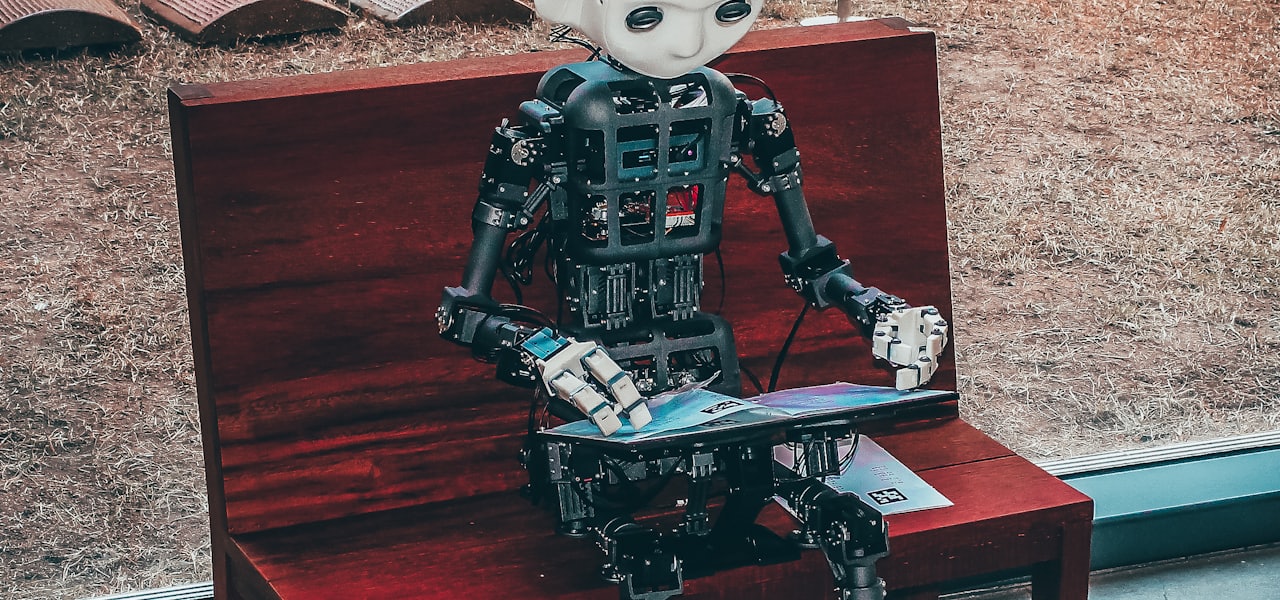
In search of the best AI background remover? An AI background remover is software that uses machine learning to help you get more done — it turns a rough idea into a polished result in seconds. When choosing one, weigh output quality, pricing, export formats, and how well it fits the tools you already use. Whether you are a beginner or a pro, the right AI background remover slots into your workflow and pays for itself fast. We tested the leading options and ranked them by quality, value, and ease of use.
Process map
Process map is a global-system process model that is used to outline the processes that make up the business system and how they interact with each other. Process map shows the processes as objects, which means it is a static and non-algorithmic view of the processes. It should be differentiated from a detailed process model, which shows a dynamic and algorithmic view of the processes, usually known as a process flow diagram. There are different notation standards that can be used for modelling process maps, but the most notable ones are TOGAF Event Diagram, Eriksson-Penker notation, and ARIS Value Added Chain. == Global process models == Global characteristics of the business system are captured by global or system models. Global process models are presented using different methodologies and sometimes under different names. Most notably, they are named process map in Visual Paradigm and MMABP, value-added chain in ARIS, and process diagram in Eriksson-Penker notation – which can easily lead to the confusion with process flow (detailed process model). Global models are mainly object-oriented and present a static view of the business system; they do not describe dynamic aspects of processes. A process map shows the presence of processes and their mutual relationships. The requirement for the global perspective of the system as a supplementary to the internal process logic description results from the necessity of taking into consideration not only the internal process logic but also its significant surroundings. The algorithmic process model cannot take the place of this perspective since it represents the system model of the process. The detailed process model and the global process model represent different perspectives on the same business system, so these models must be mutually consistent. A macro process map represents the major processes required to deliver a product or service to the customer. These macro process maps can be further detailed in sub-diagrams. It is often the case that process maps cross different functional areas of the organization. Process maps are used by many companies to have a holistic view of all processes and the connections between them. Maps help in navigating the sub-processes and make understanding of the organization's operations easier. The process map shows relationships and dependencies between processes and its focus should be on core business processes of the organization. A process map can be seen as the most abstract level of the process architecture, and it acts as the introduction to the more detailed levels. A process map that is correctly designed is able to provide a general understanding of a company's operations. Designing the process map is an important and strategic step for the organization, and it is followed by further business process modelling implementation. == Context == Methodology for Modelling and Analysis of Business Process (MMABP) is a business process modelling methodology developed at the Department of Information Technology, Faculty of Informatics and Statistics of the Prague University of Economics and Business. The methodology is defined as a “general methodology for modelling business systems using informatics methods and approaches”. Methodology is used to analyse business processes and to develop a comprehensive model of the system. The goal of developing a model is to be used for process optimization. The model should be created following the characteristics and specifics of the organization in question and following external influences that can affect the organization. The model should be optimal from an economic perspective, but it should also be optimal from a factual perspective, meaning that it should be as simple as possible while maintaining complete functionality. Business system modelling is based on a two-dimensional approach: Real World structure (substance) – set of objects and their relationships Real World behaviour – set of mutually connected business processes Additionally, there are also two views of the systems: Global view of the system Detailed view of the system's parts This results in the need to model the system from four different perspectives in order to achieve the complete and comprehensive view of the business system. MMABP also proposes which notation languages can be used for modelling each perspective, and it also suggests some improvements to the notation languages in order to fit the purpose. Global view of the objects – Conceptual model (Class diagram) Detailed view of the objects – Object life cycle (State Chart) Global view of the processes – Process map (Eriksson-Penker Diagram/TOGAF Event Diagram/ARIS VAC) Detailed view of the processes – Model of the process flow (BPMN Diagram) Data Flow Diagram (DFD) is additional diagram used for describing the required functionalities of the information system. == Notation standards == === Eriksson-Penker Diagram === Eriksson-Penker diagram is a tool used in business model analysis and design. It is named after Hans-Erik Eriksson and Magnus Penker, who developed the concept in their book "Business modelling with UML: Business Patterns at Work”. Eriksson-Penker diagrams are used to map out the key components of a business model and how they interact with one another. The diagrams typically consist of a series of boxes and lines that represent the different elements of the business model, such as the value proposition, customer segments, channels, revenue streams, and key resources. The lines between the boxes represent the relationships and dependencies between the different elements of the business model. These diagrams are useful for visualizing and understanding the various components of a business model, and can help organizations identify potential areas for improvement or areas of risk. They can also be used as a communication tool to help stakeholders understand the business model and its underlying assumptions. These diagrams are useful for visualizing and understanding the various components of a business model, and can help organizations identify potential areas for improvement or areas of risk. They can also be used as a communication tool to help stakeholders understand the business model and its underlying assumptions. It is possible to use Eriksson-Penker diagrams to create a global process view of a business. In this case, a diagram would be used to map out the key processes and activities that are involved in the business, as well as the relationships and dependencies between these processes. For example, an Eriksson-Penker diagram could be used to depict the various steps involved in the product development process, from concept development to market launch. It could also be used to show how different functions within the organization, such as marketing, sales, and production, interact and depend on one another to support the overall business. Eriksson-Penker diagram is one of the most popular de facto standards that can be used for an object-oriented global view of business processes. It is developed as an extension of the UML, and it is often used together with the BPMN to compensate for the lack of possibility to model the global view with this widely accepted standard. === TOGAF Event Diagram === TOGAF (The Open Group Architecture Framework) is a framework for enterprise architecture that provides a common language and set of standards for designing, planning, implementing, and governing an enterprise's IT architecture. TOGAF event diagrams are diagrams used in the TOGAF framework to represent the flow of events within a system or process. The TOGAF Event Diagram is a visual representation of the events within an organization or system. It can be used to show the sequence of events that occur in a particular process, as well as the relationships between the events and the stakeholders involved. TOGAF Event Diagrams can be useful in creating a global process view because they provide a visual representation of the events, which can be helpful in understanding how the process fits into the larger context of the organization. TOGAF Event Diagram is the most perspective standard for the system view of processes today. It is used to represent the system of processes as well as their connections to the functional organizational structure. === ARIS Value Added Chain === ARIS (Architecture of Integrated Information Systems) is a methodology and a set of tools for designing and managing business processes. It is based on the idea that business processes are the core of an organization and that they can be modelled and optimized to improve efficiency and effectiveness. The ARIS methodology provides a framework for understanding and analysing business processes, as well as for designing and implementing improvements to those processes. It includes a set of graphical modelling languages and tools for creating process models, as well as a database for storing and managing pr
Ambient awareness
Ambient awareness (AmA) is a term used by social scientists to describe a form of peripheral social awareness through social media. This awareness is propagated from relatively constant contact with one's friends and colleagues via social networking platforms on the Internet. The term essentially defines the sort of omnipresent knowledge one experiences by being a regular user of these media outlets that allow a constant connection with one's social circle. According to Clive Thompson of The New York Times, ambient awareness is "very much like being physically near someone and picking up on mood through the little things; body language, sighs, stray comments". Academic Andreas Kaplan defines ambient awareness as "awareness created through regular and constant reception, and/or exchange of information fragments through social media". Two friends who regularly follow one another's digital information can already be aware of each other's lives without actually being physically present to have had a conversation. == Social == Socially speaking, ambient awareness and social media are products of the new generations who are being born or growing up in the digital age, starting circa 1998 and running to current times. Social media is personal media (what you're doing in the moment, how you feel, a picture of where you are) combined with social communication. Social media is the lattice work for ambient awareness. Without social media the state of ambient awareness cannot exist. Artificial Social Networking Intelligence (ASNI) refers to the application of artificial intelligence within social networking services and social media platforms. It encompasses various technologies and techniques used to automate, personalize, enhance, improve, and synchronize user's interactions and experiences within social networks. ASNI is expected to evolve rapidly, influencing how we interact online and shaping their digital experiences. Transparency, ethical considerations, media influence bias, and user control over data will be crucial to ensure responsible development and positive impact. A significant feature of social media is that it is created by those who also consume it. Mostly, those participating in this phenomenon are adolescents, college age, or young adult professionals. According to Dr. Mimi Ito, a cultural anthropologist and Professor in Residence at the University of California at Irvine, the mobile device is the greatest proxy device used to create and distribute Social Media. She reportedly states that "teenagers capture and produce their own media, and stay in constant ambient contact with each other..." using mobile devices. Usually while doing this they are consuming other forms of media such as music or video content via their smart phones, tablets, or other similar devices. Effectively this has led social scientists to believe that learning and multitasking will have a new face as the products of the digital generation enter the work force and begin to integrate their learning methods into the standard preexisting business models of today. Professors Kaplan and Haenlein see ambient awareness as one of the major reasons for the success of such microblogging sites as Twitter. == Origins == The earliest available technology that could be used for constant social contact is the cell phone. For the first time, people could be contacted readily and at will beyond the confines of their work or homes. Then later, with the additional service of texting, one can see the somewhat primitive form of the status update. Since the text message only allows for 160 characters to transmit pertinent information it paved the way for the status update as we know it today. The transition from only having a few points of regular long distance contact, to being constantly available via cell phone, is what primed society for social networking websites. Perhaps the first instance where these websites created the possibility of larger scale ambient awareness was when Facebook installed the news feed. The news feed automatically sends compiled information on all of a users contacts activities directly to them so that they can access all of the happenings in their world from one location. For the first time, becoming someone's Facebook friend was the equivalent of subscribing to a feed of their daily minutiae. Since this innovation, a new wave of micro-blogging services have emerged, such as Twitter or Tumblr. Although these services have often been criticized as containing seemingly meaningless snippets of information, when a follower gathers a certain amount of information, they begin to obtain an ambient understanding of who they are following. This has led to the mass usage of social media as not only a social tool but also as a marketing and business tool. == Uses in marketing == Websites such as Twitter, YouTube, Facebook, and Myspace, among many others, have been used by people in all forms of business to create a closer digital/ambient bond with their clientele base. This is most notably seen in the music industry where social media networking has become the mainstay of all advertising for independent and major artists. The effect of this type of ambient marketing is that the consumer begins to get a sense of the artist's life style and personality. In this way social media outlets and ambient awareness have managed to tighten the gap between consumers and producers in all areas of business. == Uses in business processes == As web-based collaboration tools and social project management suites proliferate, the addition of activity streams to those products help to create business context-specific ambient awareness, and produce a new class of products, such as social project management platforms.
Mean opinion score
Mean opinion score (MOS) is a measure used in the domain of Quality of Experience and telecommunications engineering, representing overall quality of a stimulus or system. It is the arithmetic mean over all individual "values on a predefined scale that a subject assigns to his opinion of the performance of a system quality". Such ratings are usually gathered in a subjective quality evaluation test, but they can also be algorithmically estimated. MOS is a commonly used measure for video, audio, and audiovisual quality evaluation, but not restricted to those modalities. ITU-T has defined several ways of referring to a MOS in Recommendation ITU-T P.800.1, depending on whether the score was obtained from audiovisual, conversational, listening, talking, or video quality tests. == Rating scales and mathematical definition == The MOS is expressed as a single rational number, typically in the range 1–5, where 1 is lowest perceived quality, and 5 is the highest perceived quality. Other MOS ranges are also possible, depending on the rating scale that has been used in the underlying test. The Absolute Category Rating scale is very commonly used, which maps ratings between Bad and Excellent to numbers between 1 and 5, as seen in below table. Other standardized quality rating scales exist in ITU-T Recommendations (such as ITU-T P.800 or ITU-T P.910). For example, one could use a continuous scale ranging between 1–100. Which scale is used depends on the purpose of the test. In certain contexts there are no statistically significant differences between ratings for the same stimuli when they are obtained using different scales. The MOS is calculated as the arithmetic mean over single ratings performed by human subjects for a given stimulus in a subjective quality evaluation test. Thus: M O S = ∑ n = 1 N R n N {\displaystyle MOS={\frac {\sum _{n=1}^{N}{R_{n}}}{N}}} Where R {\displaystyle R} are the individual ratings for a given stimulus by N {\displaystyle N} subjects. == Properties of the MOS == The MOS is subject to certain mathematical properties and biases. In general, there is an ongoing debate on the usefulness of the MOS to quantify Quality of Experience in a single scalar value. When the MOS is acquired using a categorical rating scales, it is based on – similar to Likert scales – an ordinal scale. In this case, the ranking of the scale items is known, but their interval is not. Therefore, it is mathematically incorrect to calculate a mean over individual ratings in order to obtain the central tendency; the median should be used instead. However, in practice and in the definition of MOS, it is considered acceptable to calculate the arithmetic mean. It has been shown that for categorical rating scales (such as ACR), the individual items are not perceived equidistant by subjects. For example, there may be a larger "gap" between Good and Fair than there is between Good and Excellent. The perceived distance may also depend on the language into which the scale is translated. However, there exist studies that could not prove a significant impact of scale translation on the obtained results. Several other biases are present in the way MOS ratings are typically acquired. In addition to the above-mentioned issues with scales that are perceived non-linearly, there is a so-called "range-equalization bias": subjects, over the course of a subjective experiment, tend to give scores that span the entire rating scale. This makes it impossible to compare two different subjective tests if the range of presented quality differs. In other words, the MOS is never an absolute measure of quality, but only relative to the test in which it has been acquired. For the above reasons – and due to several other contextual factors influencing the perceived quality in a subjective test – a MOS value should only be reported if the context in which the values have been collected in is known and reported as well. MOS values gathered from different contexts and test designs therefore should not be directly compared. Recommendation ITU-T P.800.2 prescribes how MOS values should be reported. Specifically, P.800.2 says:it is not meaningful to directly compare MOS values produced from separate experiments, unless those experiments were explicitly designed to be compared, and even then the data should be statistically analysed to ensure that such a comparison is valid. == MOS for speech and audio quality estimation == MOS historically originates from subjective measurements where listeners would sit in a "quiet room" and score a telephone call quality as they perceived it. This kind of test methodology had been in use in the telephony industry for decades and was standardized in Recommendation ITU-T P.800. It specifies that "the talker should be seated in a quiet room with volume between 30 and 120 m³ and a reverberation time less than 500 ms (preferably in the range 200–300 ms). The room noise level must be below 30 dBA with no dominant peaks in the spectrum." Requirements for other modalities were similarly specified in later ITU-T Recommendations. == MOS estimation using quality models == Obtaining MOS ratings may be time-consuming and expensive as it requires the recruitment of human assessors. For various use cases such as codec development or service quality monitoring purposes – where quality should be estimated repeatedly and automatically – MOS scores can also be predicted by objective quality models, which typically have been developed and trained using human MOS ratings. A question that arises from using such models is whether the MOS differences produced are noticeable to the users. For example, when rating images on a five point MOS scale, an image with a MOS equal to 5 is expected to be noticeably better in quality than one with a MOS equal to 1. Contrary to that, it is not evident whether an image with a MOS equal to 3.8 is noticeably better in quality than one with a MOS equal to 3.6. Research conducted on determining the smallest MOS difference that is perceptible to users for digital photographs showed that a MOS difference of approximately 0.46 is required in order for 75% of the users to be able to detect the higher quality image. Nevertheless, image quality expectation, and hence MOS, changes over time with the change of user expectations. As a result, minimum noticeable MOS differences determined using analytical methods such as in may change over time.
Digital exhibition
Digital Exhibition includes both the projection technologies, such as High Definition, and delivery technologies of a film to a movie theater. Delivery technologies include disk drives, satellite relay, and fiber optics. This can save money in distribution but is usually more expensive overall due to maintenance and standardization of technology. However, there are benefits to digital exhibition, for example it requires less assembly by the exhibitor and can contain the trailers that the distributor wishes.
XLNet
The XLNet was an autoregressive Transformer designed as an improvement over BERT, with 340M parameters and trained on 33 billion words. It was released on 19 June 2019, under the Apache 2.0 license. It achieved state-of-the-art results on a variety of natural language processing tasks, including language modeling, question answering, and natural language inference. == Architecture == The main idea of XLNet is to model language autoregressively like the GPT models, but allow for all possible permutations of a sentence. Concretely, consider the following sentence:My dog is cute.In standard autoregressive language modeling, the model would be tasked with predicting the probability of each word, conditioned on the previous words as its context: We factorize the joint probability of a sequence of words x 1 , … , x T {\displaystyle x_{1},\ldots ,x_{T}} using the chain rule: Pr ( x 1 , … , x T ) = Pr ( x 1 ) Pr ( x 2 | x 1 ) Pr ( x 3 | x 1 , x 2 ) … Pr ( x T | x 1 , … , x T − 1 ) . {\displaystyle \Pr(x_{1},\ldots ,x_{T})=\Pr(x_{1})\Pr(x_{2}|x_{1})\Pr(x_{3}|x_{1},x_{2})\ldots \Pr(x_{T}|x_{1},\ldots ,x_{T-1}).} For example, the sentence "My dog is cute" is factorized as: Pr ( My , dog , is , cute ) = Pr ( My ) Pr ( dog | My ) Pr ( is | My , dog ) Pr ( cute | My , dog , is ) . {\displaystyle \Pr({\text{My}},{\text{dog}},{\text{is}},{\text{cute}})=\Pr({\text{My}})\Pr({\text{dog}}|{\text{My}})\Pr({\text{is}}|{\text{My}},{\text{dog}})\Pr({\text{cute}}|{\text{My}},{\text{dog}},{\text{is}}).} Schematically, we can write it as
Front-end web development
Front-end web development is the development of the graphical user interface of a website through the use of HTML, CSS, and JavaScript so users can view and interact with that website. == Tools used for front-end development == There are several tools and platforms, such as WordPress, Joomla, and Drupal, available that can be used to develop the front end of a website. === HyperText Markup Language === HyperText Markup Language (HTML) is the modern standard for displaying and structuring web content across the internet. HTML defines what elements will be displayed on a website, and how they will be arranged. All major web browsers are designed to interpret HTML, and most modern websites serve HTML to the user. Hypertext is text displayed on a computer with references to other text, these references (or links,) are termed "hyperlinks." When an internet user interacts with a hyperlinked item, the website serves the user the linked data. This data can be another HTML web-page, JavaScript, or anything else. The latest major release of HTML is HTML5, originally published on October 28, 2014 as a W3C recommendation. A web page may be developed to include many markup tags. For each pair of markup tag normally starts with a Start tag and ends with a matching end tag. The text in between the Start tag and the End tag is called an HTML Element. [1] === Cascading Style Sheets === Cascading Style Sheets (CSS) control the presentation and style of a website. CSS uses a cascading system to resolve style conflicts by applying style rules based on specificity, inheritance, and importance. Media queries allow for adjustments to the site's layout and appearance depending on factors such as screen size and resolution. CSS can be applied in three ways: external stylesheets linked in an HTML file, internal